Dominica, 6 to 13 February 2027. Eight days on the Nature Island with its resident sperm whales: four days on the water, one inland among waterfalls and rivers, and a table cooked over fire from what the island gives that morning.
Dear Troy, Sissy, John, Kelly, Dale and Carol,
Everything you need for February is in these pages: how the days are shaped, what to pack, what to read before you come, and who will be looking after you once you land.
Dominica is one of the only places in the world with resident sperm whales, and February sits in the middle of the season when the migrating bulls are here too. The week is built around them. Days on the water run long and stay flexible, because the whales set the schedule, not the clock.
There is a preference sheet for the kitchen further down this page. It is the one thing worth doing before you travel, because the food is cooked for you personally, and the team would rather learn your table now than guess at it.
Met at the airport and driven to the villas. Time to settle, unpack and take a massage before the welcome dinner, where the captain for the week joins the table to talk through the whales of Dominica and what the days on the water will look like.
Four days on the Caribbean Sea in search of the sperm whales. The morning starts with breath work and movement designed to open the lungs before a day in the water. Lunch is served on board. Back ashore in the late afternoon for snacks, fresh juice, massages and evening yoga, then dinner as a group under the canopy.
A day inland: waterfalls, gorges and river swims, then a secluded lunch in the jungle on the bank of the Layou River, and the Indian River in the afternoon. Bring a swimsuit. Dinner that evening is cooked by the resident chef.
A member of the team meets you at the airport and takes you up to the villas. Drop the bags, take in the surroundings, and book a massage if you want one. Dinner that evening is the welcome dinner, with the captain for the week at the table to talk through the whales, how the boat works, and what the days ahead look like. Something will be waiting in your room when you arrive, chosen from your preference sheet.
The first full day at sea. Morning yoga at seven, breakfast at half past, and away from the dock by nine. The shelf drops away close to shore here, so the whale grounds are a short run out. Lunch is served on the boat and the day runs until late afternoon. Back ashore there are light snacks and fresh juices, evening yoga, and dinner as a group.
A second day on the same rhythm. Sperm whales surface to breathe and socialise between dives that can reach fifteen hundred metres, and the surface intervals are when the encounters happen. Between drops there is the rest of the Caribbean Sea: reef walls, sponges and the transient cetaceans that follow the same deep water.
A later start: yoga at eight, breakfast at nine, away by ten. A hidden waterfall first, then lunch at one of the team's own spots, in the jungle on the bank of the Layou River. The Indian River in the afternoon, and back for dinner at eight. Waterfalls, gorges and river swims, so bring a bathing suit.
Back on the water, and the ocean exploration schedule resumes. By now the pattern is familiar and the days tend to loosen: the timings are flexible and shaped by what the group wants and what the whales are doing.
The last full day at sea. Dominica's sperm whales live in family units of related females and their young, which is why calves are often in the water alongside the adults. Evenings close the way they have all week: snacks and juice ashore, wind-down yoga, and dinner together.
A full breakfast, then transfers to the airport for anyone flying today. For those staying the extra night, the day is yours: the villa, the pool and the facilities, with nothing scheduled.
Breakfast, then the transfer to Dominica's airport for the last flights out.
Every day of the week follows one of two shapes. All timings are flexible and depend on what the group wants and what the ocean is doing.
Dominica is one of the only locations on Earth with resident sperm whales. Clear, warm water and a shelf that drops away close to shore mean the animals are reachable, the visibility holds, and the interactions are unhurried.
Several sperm whale families live off Dominica year round, one of the very few resident populations anywhere. They are the reason the trip exists and the reason it is booked for February.
From November until May the large males come down from the north to join the resident pods and breed. February sits squarely inside that window, which is why these dates were chosen.
Sperm whales rest hanging upright in the water column. It is the most striking thing the team looks for, and one of the few places you can reliably be in the water when it happens.
The same deep water draws transient predators through: pilot whales, false killer whales, melon-headed whales and dolphins. Pilot whales in particular are a regular sight between drops.
All time in the water is carried out under government permit, with the safety and wellbeing of the whales taking priority over any encounter. You need only a basic level of snorkelling and to be comfortable in open water. The ocean specialists on board handle safety for the group and take the photographs, so the moments are yours to keep without having to shoot them yourself.
The shelf falls away within sight of the beach. That is the whole reason this works.
Nine active volcanoes and rainforest that holds the rain leave Dominica full of waterfalls, gorges and cold clear pools. The morning of the island day is spent in them.
Lunch is laid in a bamboo grove on the bank of the Layou River, one of the team's own spots. Nothing about it is a restaurant, and it is the meal most guests remember.
The river is worked by oar rather than engine, so the boats move at the speed of the water, and the light comes down green.
The swamp bloodwoods throw buttress roots out across the bank in shapes that do not look real. The most photographed thing on the river, for good reason.
Common Earth is Camp Dominica's charitable partner, and the main contributions from this trip fund its regenerative work in Dominica and in the Small Island Developing States of the Commonwealth.
Mandated by the Commonwealth, Common Earth supports regenerative development across all fifty-four Commonwealth countries, backing projects that restore ecosystems and build on the bio-cultural traditions of each region. It works by bringing incubator groups together, world-leading minds alongside local experts.
In Dominica it works closely with Project CETI, the effort to decode sperm whale communication in these waters. The same whales, in the same water you will be in.
Camp Dominica's recommended routes, as they list them. Airline schedules move, so confirm before booking. The team can arrange connecting flights, and private charters from Antigua or Barbados.
Flying private: let the team know and they will help organise the arrival. Transfers to and from the airport are handled at both ends, along with dive gear and the government permits for time in the water. Flights, tips and any wines requested outside the standard service are not included.
A cliff-top property on the northwest coast where the rainforest meets the sea, voted the best resort in the Caribbean in 2024 by Travel + Leisure. The villas were conceptualised by the architect Fruto Vivas and are built entirely from sustainably sourced materials, Green Globe certified. Each is split across two levels with a veranda on each, a private pool, and indoor and outdoor showers.
Each day on the water is spent aboard a well-equipped local vessel working the Caribbean coast of Dominica. There is room to spread out and be comfortable between drops, lunch is prepared on board, and snacks and refreshments come round through the day.
Beyond the whales there is the coastline itself: dive sites, reef walls and the marine life that comes with deep water close to shore. For anyone who wants to cover more ground, a smaller and faster boat is on hand to move the group to where the action is at short notice.
Adam Slama is a freediver, underwater photographer and ocean explorer whose passion for the natural world has taken him to some of the most remarkable marine environments on Earth. With a deep fascination for marine life and a particular connection to sperm whales, Adam combines his freediving skills with a thoughtful and respectful approach to wildlife encounters.
Adam is a co-founder of Camp Dominica, where he works alongside Jackson Mawhinney to create experiences centred around Dominica's resident sperm whales. Through Diving with Giants, he shares his knowledge of freediving, underwater photography and whale behaviour, helping guests experience these animals from an intimate perspective.
Born and raised in Dominica, Jackson Mawhinney has a deep-rooted connection to the island and its natural environment. Passionate about conservation, adventure and responsible tourism, he is dedicated to sharing Dominica's wild beauty while helping to protect it for future generations.
Jackson is a co-founder of Camp Dominica, an initiative created around a shared passion for the ocean, exploration and conservation. Through Diving with Giants, he helps introduce guests to Dominica's resident sperm whales. With his local knowledge, warm personality and genuine passion for his home island, Jackson gives guests a perspective on Dominica that runs from its culture and communities to its landscapes and marine life.
For one week everything you eat is cooked for you personally, over fire, on beaches, from ingredients grown, caught and foraged on the island, often that same morning. The preference sheet is how the kitchen learns to cook for you before you have met. Nothing on it is required, but every line filled in makes the week taste more like you. Answers are seen only by the culinary team.
The sheet covers allergies and medical requirements, dietary frameworks, what you like and what you avoid, how adventurous to be with what the island offers, how you take your coffee, what you drink, and what you would like waiting in your room when you land on 6 February. The allergy section is the one the team asks you not to skip.
Camp Dominica's own kit list for Diving With Giants, covering both the days at sea and the day inland. Fins, mask and snorkel are provided, and a basic seasickness medication is carried on the boat. Quantities are yours to judge. Tick items off as you go: your progress is saved on this device.
Dive Gear
Accessories
Clothing
Personal
Health and Safety
The whales first, then the island: its history, its indigenous Kalinago story, and the novel that put the sperm whale into the language.
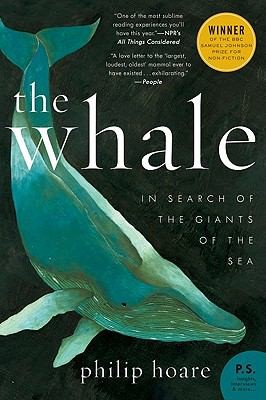
Part natural history, part obsession. The best single book for arriving in Dominica already understanding what a sperm whale is.
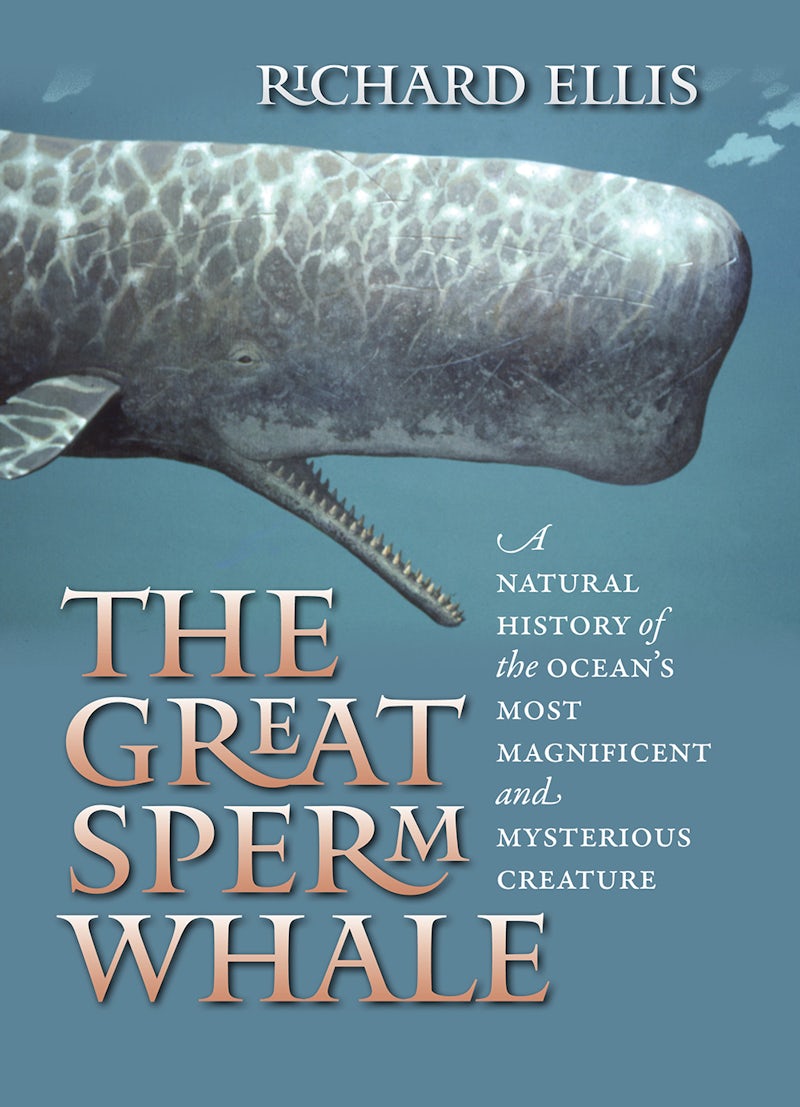
The species in full: the anatomy, the fifteen-hundred-metre dives, the whaling history and the science that followed it.
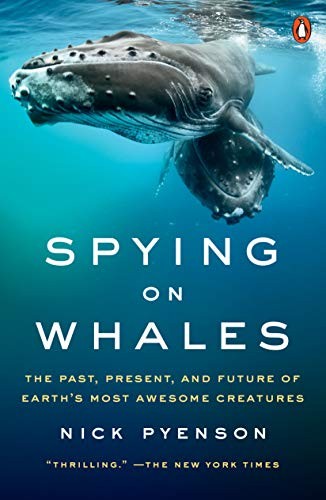
How whales became whales, told by a palaeontologist who digs them out of deserts. Short, fast and genuinely funny.

Added by Jojo. The sperm whale as the nineteenth century saw it, written by a man who had been on the ships.
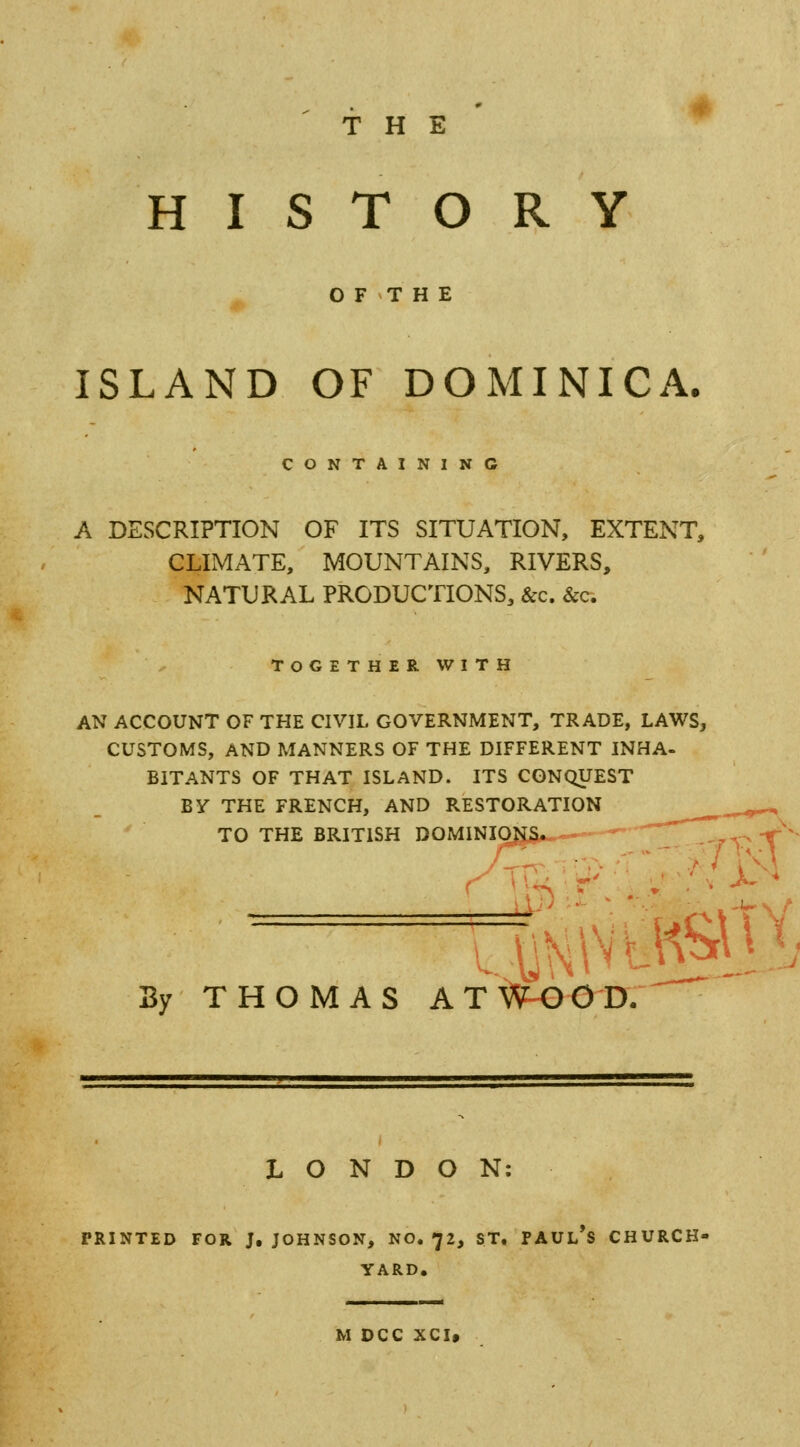
Added by Jojo. The 1791 account. The island as it was described when the plantations were still being cut out of the forest. The original is free to read in full.
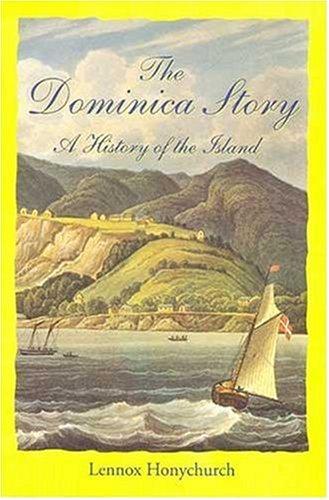
The standard history of the island, by the Dominican historian who also wrote Resistance, Refuge, Revival. The one to read for the whole arc, from the Kalinago to independence, rather than a single century.
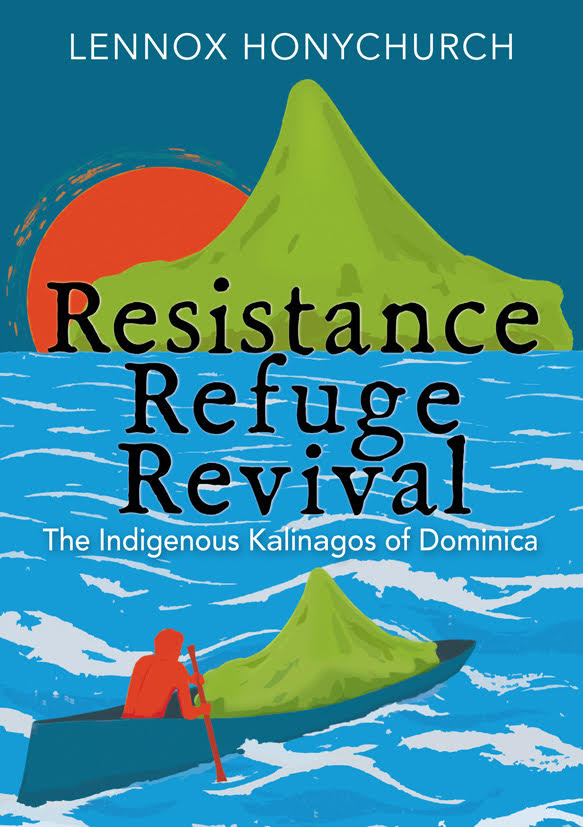
Added by Jojo. Dominica is the last place in the eastern Caribbean where the Kalinago hold their own territory. This is that story.
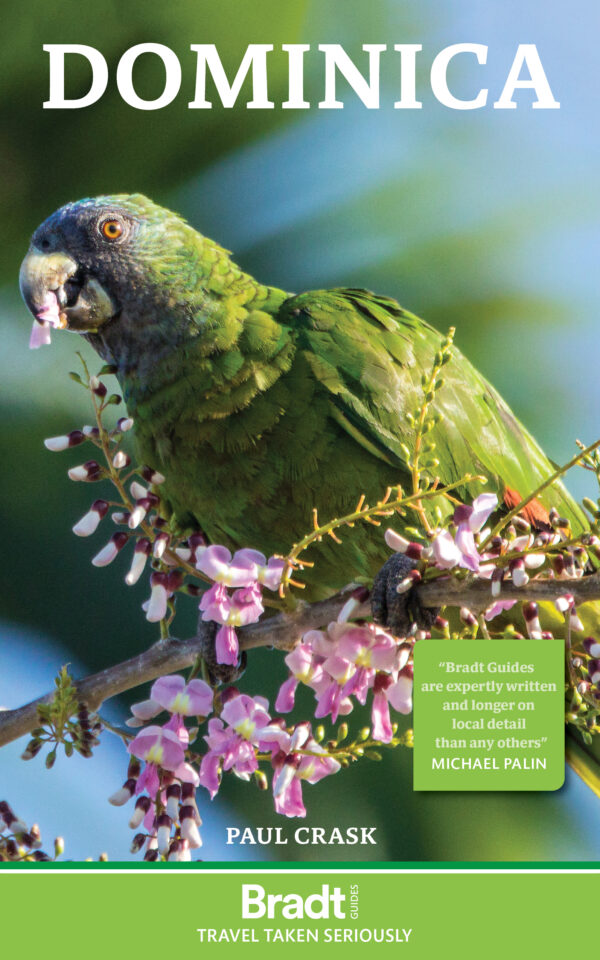
Written by someone who has lived on the island since 2005. Worth having for the volcanoes, the Waitukubuli trail and the villages, if you want the context around what you will actually see.
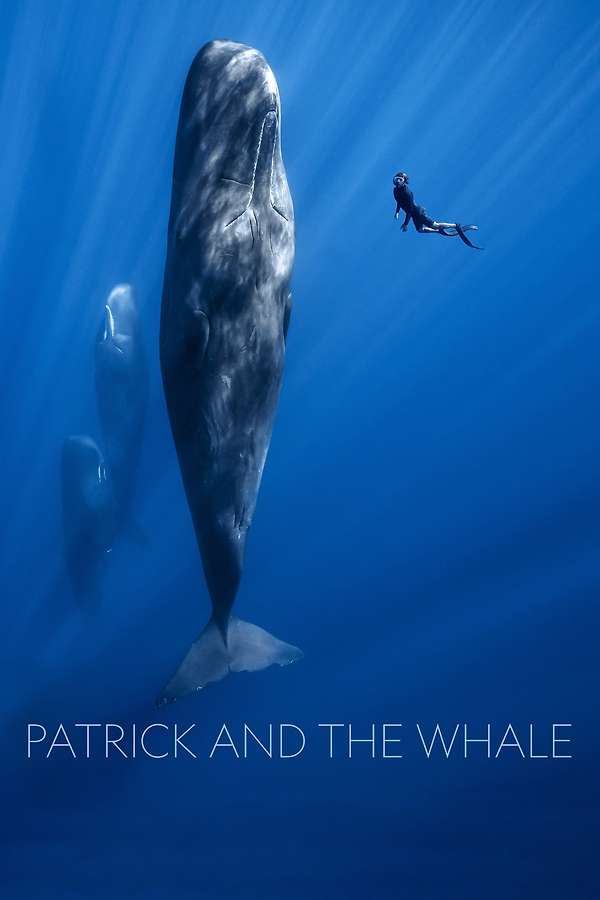
One free diver, years in the water with sperm whales, and the question of whether they are trying to communicate back. The encounter at its centre happens in Dominica.
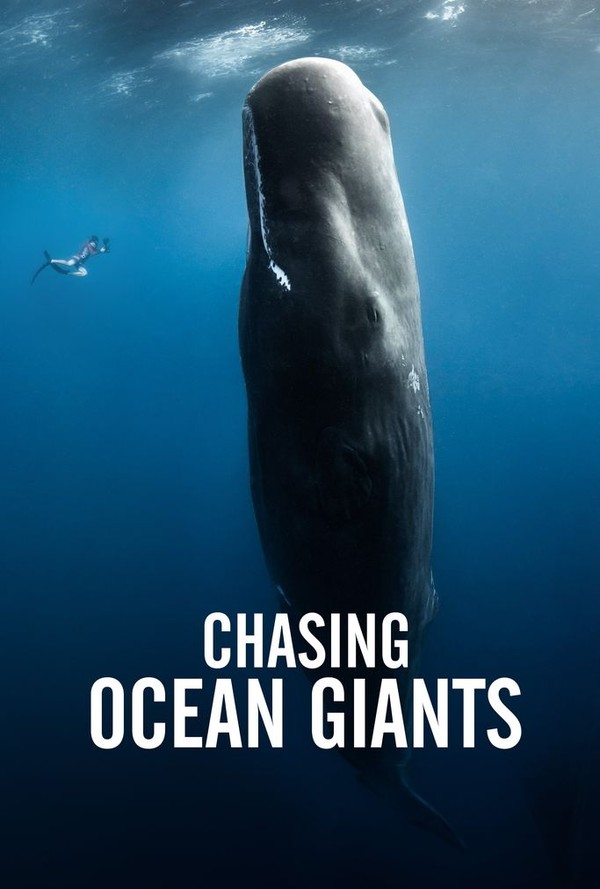
The first episode is set in Dominica. A good primer on what a day looking for large whales actually involves, before you spend four of them doing it.
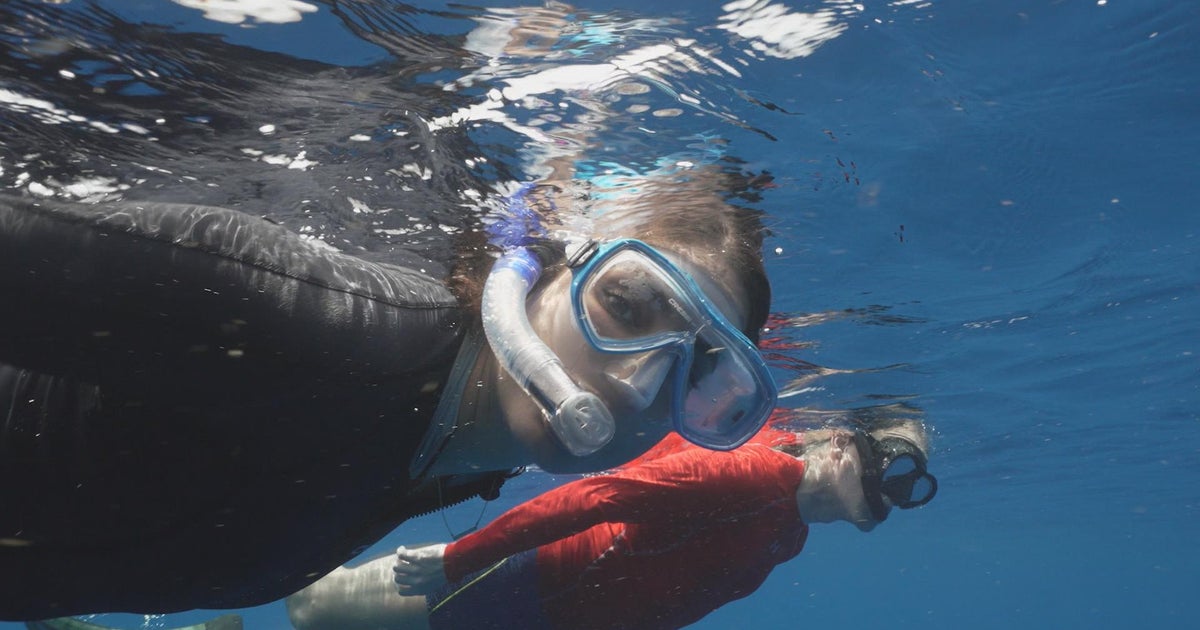
Filmed where you are going, on Dominica creating the world's first reserve for sperm whales in the water you will be diving.

The ocean specialists on board shoot the encounters, so nothing here is necessary. For anyone bringing a camera, the short version.
Reef-safe sunscreen only, and let it soak in well before you get in the water.
Emergency services in Dominica: 911.
Eight days on the Nature Island, 6 to 13 February 2027. Four days on the water with the resident sperm whales, one inland among the rivers and waterfalls, and a table cooked over fire from what the island gives that morning.
All timings are flexible and depend on the group's preferences and on conditions. Time in the water with the whales is carried out under government permit and is always subject to the animals' wellbeing, the weather and the sea state.